

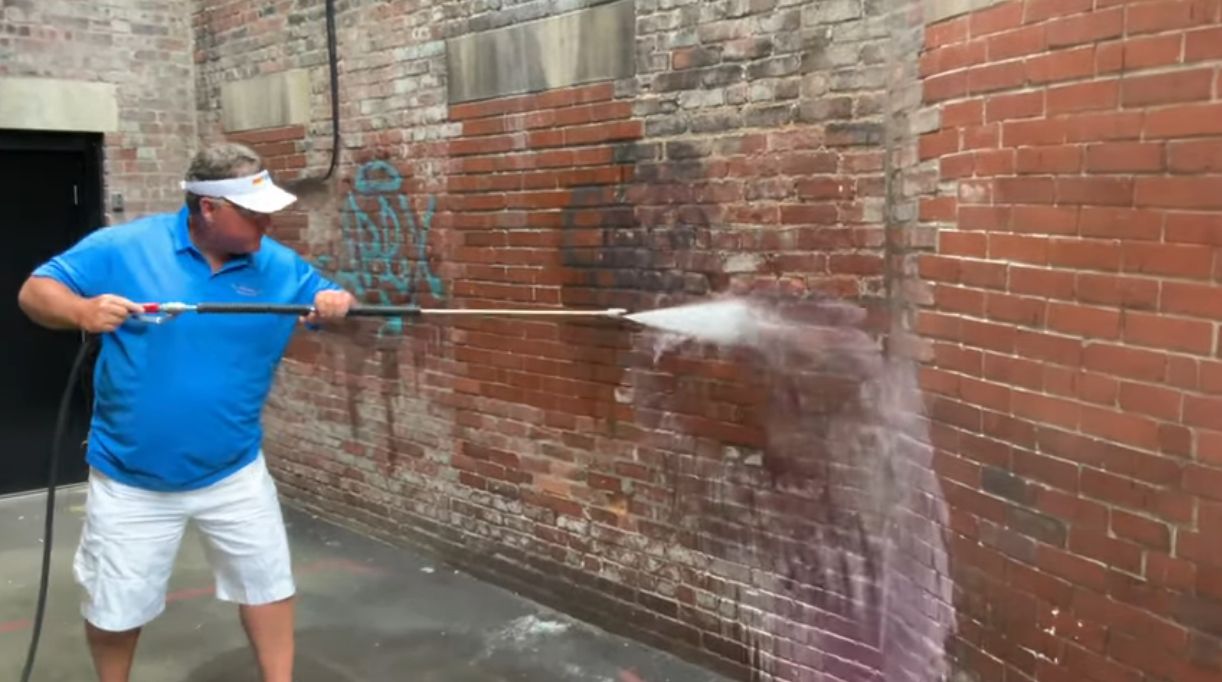
At Atlantic Power Cleaning, we understand how tempting it can be to tackle pressure washing yourself. After all, equipment rental is easy, and there’s plenty of online advice.
But before you start blasting your home or business, it’s crucial to weigh the pros and cons of DIY versus hiring a professional. Boston’s unique weather, older building materials, and property conditions all affect how effective—and safe—pressure washing can be.
Here’s what you need to know to make a smart choice.
Safety First: Why Pressure Washing Isn’t as Simple as It Looks
Pressure washing looks simple, but it carries real risks if not done correctly.
Without the right gear and technique, high-pressure water can cause injuries or damage surfaces, stripping paint, gouging wood, or harming siding. Electrical hazards and improper use of cleaning agents add to the dangers.
That’s why our trained professionals carefully assess each surface and choose the safest tools and methods.
Ensuring Proper Equipment and Techniques
Not all pressure washers are built the same.
We use commercial-grade equipment with adjustable settings to match the needs of each surface:
- Concrete & Driveways: High pressure cuts through oil stains and grime.
- Wood Decks & Fences: Softer settings prevent splintering or damage.
- Building Exteriors: Materials like brick, stucco, and vinyl require the right nozzles and eco-safe cleaners to stay intact.
Our team understands how to sequence the job for streak-free results, working top-down and factoring in weather conditions. Most DIY machines lack these precise controls, making it easy to miss spots or, worse, cause damage.
When DIY Makes Sense and When It Doesn’t
For smaller, straightforward jobs—like cleaning a concrete patio or rinsing light buildup from residential walkways—DIY power washing can make sense if you have the right equipment and a handle on safety. Just be ready to prep properly and manage the cleanup.
But for larger areas, commercial projects, or delicate surfaces, it’s best to hire a pro. Professionals are essential for multi-story homes, fragile materials like wood or vinyl siding, tough stains like mold or oil, safe runoff disposal, and saving you time and hassle.
What a Professional Pressure Washing Service Offers
Hiring Atlantic Power Cleaning for our pressure washing services means getting start-to-finish service built around safety, quality, and transparency. We assess your property, tailor our approach to your needs, and use industry-best equipment and eco-friendly products to get the job done right.
Here’s what you can count on:
- Experienced, safety-focused technicians
- Custom cleaning plans based on surface type and condition
- Adjustable pressure settings to protect delicate materials
- Responsible cleanup and runoff disposal
- Clear communication before, during, and after service
Eco-Friendly Pressure Washing Solutions
Using biodegradable, non-toxic cleaning agents may be better for the environment, but it’s also critical in Boston, where runoff can affect local waterways and green spaces.
Atlantic Power Cleaning prioritizes eco-friendly products and soft washing techniques that clean effectively while minimizing water use and chemical impact.
Environmentally Responsible Products and Methods
We use biodegradable, eco-friendly detergents and precision nozzles to minimize water waste and protect local ecosystems.
Our soft washing and low-pressure techniques clean delicate surfaces gently, preventing damage while preserving your property.
By following best practices and local regulations, we ensure effective, safe, and sustainable pressure washing throughout Boston and surrounding communities.
Preparing Your Property for Pressure Washing
A little prep makes a big difference.
Before your cleaning day, move furniture, vehicles, and breakables away from the area. Cover outlets and protect landscaping, and be sure windows and vents are sealed.
In Boston, timing matters, too: mild weather minimizes wind interference and speeds drying.
What to Expect on the Day of Your Cleaning
Our crew arrives with everything needed and begins with a quick walkthrough to confirm access, surface types, and any special instructions.
We use the proper pressure and cleaning agents for each surface, from stone and concrete to decking and siding. You’ll get efficient, respectful service and results that speak for themselves, with zero hassle and no mess left behind.
After the Wash: Tips to Keep Your Property Clean Longer
Pressure washing is a great reset, but keeping your property clean depends on routine maintenance:
- Sweep or hose down surfaces regularly to prevent buildup.
- Schedule professional cleanings at least once a year, more often if your property faces heavy pollution, salt from winter, or tree pollen.
- Inspect painted surfaces for chips or damage to avoid moisture intrusion.
- Trim back vegetation near buildings to reduce mold and mildew growth.
Making the Right Choice for Your Boston Property
When done correctly, pressure washing protects your investment and boosts curb appeal.
While DIY may seem cheaper, it risks damage and costly repairs. Atlantic Power Cleaning offers expert service, advanced equipment, and eco-friendly methods for safe, effective results.
Considering pressure washing for your Boston property? Contact us for a free consultation to find the best solution, with results you can trust.
Frequently Asked Questions:
1) What Is Pressure Washing and How Does It Work?
Pressure washing uses a focused stream of high-pressure water to remove grime, mold, and buildup from hard surfaces.
We tailor the pressure and technique to match the material—whether it’s brick, concrete, or siding—to clean effectively without damage.
2) Is Pressure Washing Safe for Every Surface?
Not always. Some surfaces, like older wood or roofing, require lower pressure or soft washing to avoid damage.
Our team evaluates each area first and uses the safest method for your home or building.
3) How Often Should I Have My Property Pressure Washed?
Most properties benefit from pressure washing services once a year to remove dirt, mold, and buildup. High-traffic areas or shaded spots with moisture may need more frequent cleanings.