

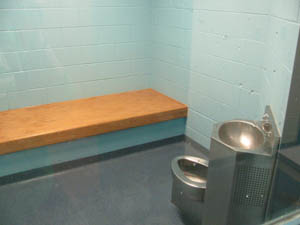
Keeping correctional facilities clean and sanitary is essential for the health and safety of everyone inside, both staff and inmates. Washing jail cells requires the right tools and methods to effectively remove dirt, bacteria, and other contaminants from tough surfaces.
A well-maintained environment also reduces the spread of disease and helps prevent issues that could escalate into larger health or safety concerns. Regular, professional cleaning plays a crucial role in supporting the daily operations of secure facilities.
Atlantic Power Cleaning approaches each job with care and attention to detail, ensuring that every area is thoroughly sanitized while following strict safety protocols. Below, we’ll explain what goes into jail cell cleaning and why it matters when it comes to keeping correctional facilities safe and secure.
Health and Safety Standards in Jail Cell Cleaning
Maintaining correctional facilities demands strict attention to health and safety standards that protect everyone involved—from inmates to staff to cleaning crews.
The presence of biohazards like bodily fluids requires trained personnel using proper personal protective equipment (PPE) and EPA-approved disinfectants designed to handle these risks safely. Our team ensures all technicians are thoroughly trained on protocols and potential hazards to minimize exposure and maintain a secure environment.
State and federal regulations guide sanitation efforts in jails, emphasizing thorough disinfection of high-touch areas where bacteria and viruses thrive. Compliance with Department of Justice (DOJ) and OSHA guidelines isn’t optional—it’s essential. We stay current on these regulations, ensuring our cleaning methods and products meet or exceed these requirements.
Environmental Considerations
Maintaining a safe and sanitary environment in jail cells requires careful selection of cleaning products. Traditional cleaners often contain harsh chemicals that pose health risks to inmates and staff. Eco-friendly alternatives are gaining traction because they effectively eliminate pathogens without the negative effects on air quality or the environment.
These green products are typically biodegradable and less toxic, making them a smart choice for correctional facilities focused on sustainability and health. Beyond reducing environmental impact, they can also help control issues like mildew and unpleasant odors common in confined spaces.
By integrating these products into their routines, facilities promote a healthier atmosphere and demonstrate a commitment to long-term well-being for both people and the planet.
Frequently Asked Questions:
1) What Health and Safety Standards Apply to Jail Cell Cleaning in Boston?
Jail cell cleaning in Boston is held to high regulatory standards to protect both staff and incarcerated individuals. Crews must comply with Massachusetts Department of Public Health guidelines, as well as federal OSHA requirements. This means all personnel must wear personal protective equipment (PPE) appropriate for the job—gloves, masks, and sometimes full-body suits—depending on the contamination level.
Training is a big part of compliance. Staff should be certified in biohazard handling, cross-contamination prevention, and proper disinfection techniques for high-touch areas like door handles, beds, and toilets. Protocols must also outline how hazardous waste (like bodily fluids, mold, or chemical residue) is removed, contained, and disposed of according to state law.
We go beyond minimum standards. Our team is trained to assess risk levels before every job and adapt accordingly. We keep detailed logs, follow strict entry/exit protocols for secure areas, and ensure all products and equipment meet regulatory approval. In a correctional setting, consistency, accountability, and safety aren’t negotiable—they’re our baseline.
2) Are Eco-Friendly Products Used During the Cleaning Process?
Yes, and increasingly so. Many facilities today recognize that strong cleaning doesn’t have to come at the expense of health or the environment. Our crew prioritizes eco-friendly, non-toxic cleaning agents that are EPA-approved and biodegradable. These products break down safely after use, reducing the risk of chemical buildup in ventilation systems and minimizing water pollution.
This matters in jails, where enclosed environments and limited airflow make traditional harsh chemicals a bigger hazard. Strong fumes can cause respiratory irritation, especially in aging buildings. By using greener solutions, we protect not just the people inside the facility, but also the staff, the building infrastructure, and the environment around it.
Our eco-conscious methods are part of a bigger commitment to long-term safety. We monitor product performance carefully, testing for both cleanliness and residue. The result? Clean spaces that meet health codes without introducing unnecessary risks. It’s possible to be both effective and responsible—and we prove that every day.
3) How Do You Measure Customer Satisfaction in a Correctional Facility Setting?
Customer satisfaction in a correctional facility isn’t just about “does it look clean?”—it’s about consistency, reliability, and accountability. That’s why we take a layered approach to feedback. We hold regular check-ins with facilities managers, conduct internal reviews after each job, and track service issues through transparent documentation.
Surveys and direct feedback are important, but we also look at practical indicators, like how often follow-up visits are needed or whether inspections pass without issue. Many of our clients stay with us for years because we don’t leave them guessing. When there’s a concern, we address it immediately. When expectations shift, we adjust our scope accordingly.
Facilities appreciate that we don’t just show up—we show up prepared, follow protocols, and leave things better than we found them. That’s the standard on which our reputation is built, and we maintain it by staying engaged and responsive with every client we serve.
4) Can Your Cleaning Services Be Customized to Our Facility’s Needs?
Yes, every job we do is tailored to the facility’s specific requirements. We don’t believe in cookie-cutter plans, especially in environments with unique health risks, high-traffic zones, or tightly scheduled routines. We begin with a full assessment of your space, usage patterns, and pain points, then build a schedule and checklist that aligns with your operational goals.
This customization might include frequency adjustments (daily, weekly, or shift-based schedules), product substitutions for sensitive populations, or priority zones like intake areas, holding cells, or medical units. We can also adapt our crew structure based on your internal supervision preferences—whether that means one team member or a full squad.
Our goal is to make your job easier, not add more moving parts. That’s why we stay flexible, responsive, and open to evolving needs. If something isn’t working, we fix it. If protocols change, we adapt quickly. With us, custom doesn’t mean complicated—it means solutions that actually fit.
Also Read:
Boost Your Curb Appeal with a House Wash in MA
The Benefits of Getting a Professional Power Wash in MA
How Roof Washing in MA Can Extend Your Roof’s Lifespan
From Siding to Sidewalks: What We Power Wash in Boston (and How)
DIY vs. Professional Pressure Washing in Boston: What You Should Know
Equipment Wash in MA: How to Get Your Heavy Machinery Cleaned Right
