

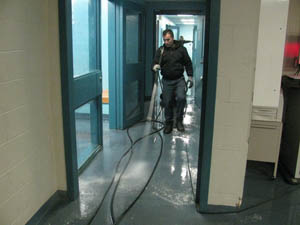
Keeping jail cells clean isn’t a matter of mopping floors and spraying disinfectant—it’s about maintaining safety, health, and compliance in some of the most demanding working environments.
At Atlantic Power Cleaning, we specialize in professional jail cell cleaning services across Massachusetts.
Using industry-grade tools and eco-conscious products, we eliminate pathogens, neutralize odors, and create cleaner, safer spaces for both inmates and staff. Our team understands the strict health protocols required in correctional facilities and delivers solutions that meet those standards head-on.
What Makes Jail Cell Cleaning So Challenging?
Cleaning correctional facilities means navigating a unique mix of safety, logistics, and hygiene concerns. You’re not just washing a space—you’re protecting lives and complying with tight security procedures.
Key challenges include:
- Restricted access and supervision. Cleaners must operate under constant surveillance and follow strict schedules to avoid interfering with facility operations.
- High-contact surfaces: From toilets to bunk frames, these areas require deep disinfection to prevent bacterial outbreaks.
- Mental health and sanitation risks. In unsanitary conditions, mental health can worsen, especially in isolation units. That makes cleanliness not just a hygiene issue, but a mental health priority.
- Chemical management. Harsh chemicals can’t always be used due to potential misuse or allergic reactions. Safe, effective alternatives are a must.
The takeaway? Washing a cell demands more than a basic janitorial approach. It takes training, planning, and a deep understanding of the environment.
Addressing Unique Safety Concerns
Every job requires more than PPE (personal protective equipment) and a checklist—it takes a trained team that understands how to handle high-risk conditions without compromising safety.
Hazards our teams are trained to manage include:
- Biohazard cleanup. Blood, bodily fluids, and other contaminants require careful handling and OSHA-compliant disinfectants.
- Violent or unpredictable behavior: Cleaners work in proximity to individuals who may be volatile. That’s why our teams are trained to remain alert, follow communication protocols, and work closely with correctional officers.
- Contaminated water: Poor water quality can quickly turn a minor issue into a major health risk. That’s why we focus on proper drainage and regularly disinfect water-prone areas like showers and restrooms.
- Pest and waste management: Unchecked pests or waste buildup can undermine sanitation efforts and attract disease.
Jail cleaning isn’t just about removing grime—it’s about protecting people and keeping systems running safely.
What Happens When Jails Aren’t Properly Cleaned?
Inadequate cleaning protocols have been linked to outbreaks of infections such as methicillin-resistant Staphylococcus aureus (MRSA), hepatitis C, and influenza. Bacteria and germs thrive in unhygienic environments, leading to outbreaks that place additional strain on healthcare resources within correctional facilities.
As facilities grapple with budget constraints, the lack of proper protocols often results in deteriorating conditions, such as contaminated linens and worn-out mattresses. This negligence not only undermines rehabilitation efforts but also contributes to broader public health risks, affecting surrounding communities.
Poor sanitation can also foster an environment of chaos and discipline issues, making it harder to maintain order within correctional facilities. Moreover, the mental health of inmates can suffer significantly when sanitary conditions are subpar; dirty environments can exacerbate existing psychiatric disorders and contribute to higher levels of stress and anxiety. Substances like alcohol and drugs complicate the process, as intoxicated individuals are less likely to adhere to strict hygiene measures.
With climate change posing new challenges, including increased pressure on plumbing and air quality, the management of sanitation becomes even more critical. Delayed maintenance and cleaning could lead to disasters, further exposing inmates to hazards and compromising their health and well-being.
Modern Jail Cleaning Tools and Technology
Recent innovations in cleaning technology, such as electrostatic sprayers, UV-C disinfection systems, and industrial-grade shop vacs, are transforming sanitation practices in correctional facilities.
These tools enable faster, more thorough cleans, reduce the spread of infectious diseases, and improve air quality in confined environments. In turn, this supports better physical and mental health outcomes, aligns with ethical standards, and enhances safety for both inmates and staff.
Additionally, many of these systems minimize chemical use, contributing to more sustainable facility operations and reinforcing public trust in institutional care standards.
The Role of Hygiene in Correctional Mental Health
Clean environments are more than a matter of public health—they’re critical to the psychological well-being of incarcerated individuals.
Regular, effective sanitation reduces stress, promotes dignity, and helps curb issues linked to poor hygiene, such as substance abuse and aggression.
By maintaining high cleanliness standards, facilities can create a more stable, humane setting that encourages rehabilitation over punishment.
Frequently Asked Questions:
1) What Makes Jail Cell Cleaning Especially Challenging?
Washing cells goes beyond standard sanitation. It involves handling biohazards, working in high-security environments, and managing limited access—all while ensuring compliance with strict health protocols. Every area—from cells to showers—requires specialized care to prevent the spread of infection and maintain safety for staff and inmates alike.
2) How Are Safety Risks Managed During Jail Cleanings?
Safety starts with proper PPE and training. Cleaners follow strict procedures to prevent exposure to pathogens, avoid misuse of chemicals, and maintain secure environments, especially in high-risk areas like isolation units or intake zones. Communication with correctional staff is crucial to coordinating schedules without disrupting facility operations or compromising security.
3) What Are the Health Risks of Poor Jail Sanitation?
Inadequate cleanliness can lead to outbreaks of MRSA, hepatitis, tuberculosis, and other infectious diseases. It also contributes to respiratory issues, skin infections, and worsened mental health conditions among inmates. Over time, these health problems can strain facility healthcare services and increase operational costs, making thorough cleaning a critical preventive measure.
4) Can Poor Jail Hygiene Affect the Surrounding Community?
Yes. Jails with poor sanitation can become hotspots for disease transmission, impacting not only staff but also families, healthcare systems, and local communities once inmates are released or transferred. Maintaining clean facilities helps reduce these risks, protecting public health beyond the prison walls.
5) What Innovations Are Helping Jails Stay Sanitary?
Some innovations include electrostatic sprayers, UV-C disinfection, industrial vacuums, and green-certified products to boost efficiency and effectiveness, especially in high-traffic and high-risk areas. These technologies allow for faster turnaround times and deeper sanitization without relying heavily on harsh chemicals that could cause adverse reactions.
6) Why Invest in Advanced Cleaning Tools for Correctional Facilities?
Advanced tools reduce bacteria, speed up disinfection, and lower reliance on harsh chemicals. Cleaner environments improve health outcomes, enhance safety, and support overall rehabilitation efforts. Ultimately, investing in these technologies reflects a facility’s commitment to maintaining a safer, more humane environment for everyone inside.
Also Read:
Boost Your Curb Appeal with a House Wash in MA
The Benefits of Getting a Professional Power Wash in MA
How Roof Washing in MA Can Extend Your Roof’s Lifespan
From Siding to Sidewalks: What We Power Wash in Boston (and How)
DIY vs. Professional Pressure Washing in Boston: What You Should Know
Equipment Wash in MA: How to Get Your Heavy Machinery Cleaned Right
